NOVEMBER 15, 2025
RETAIL AS INSPIRATION, BEYOND TRANSACTIONS
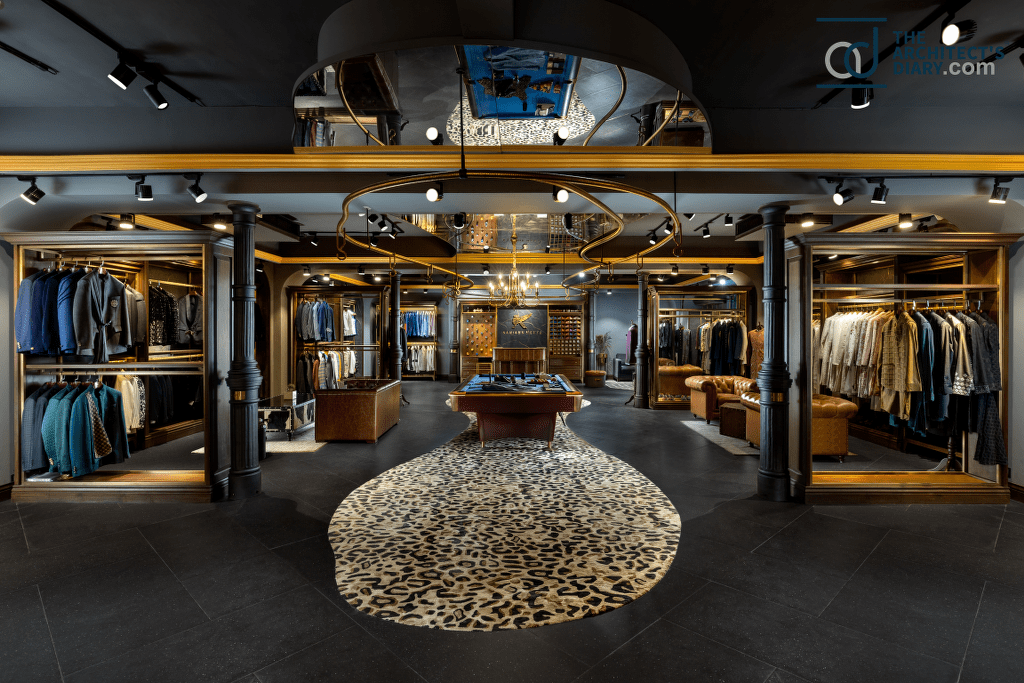
Figure 1 Photo Credit: VM&RD Retail Design Awards Gallery
It’s no longer about selling products — it’s about inspiring people.
By Surender Gnanaolivu
Today’s consumers don’t just want to shop; they want to belong, discover, and co-create. According to Medallia, 61% of consumers are willing to spend more for personalised experiences. Boston Consulting Group (BCG) estimates that personalisation could unlock US $570 billion in global growth. In India, 54% of retail leasing in H1 2025 came from apparel and F&B - driven by Millennials and Gen Z seeking formats that merge digital integration with emotional connection (Economic Times).
This shift marks a deeper transformation — from consumption to inspiration. The most compelling stores are now platforms for culture, collaboration, and customisation. Three design-led trends are powering this new era of “retail as inspiration”:
Immersive Flagships as Cultural Hubs
Flagships today are not just showrooms; they are cultural landmarks where design, storytelling, and community converge.
Pall Mall by Sync Design Studio — winner of Gold in the Ethnic Fashion & Accessories category at the VM&RD Retail Design Awards 2025 - exemplifies this shift. The store’s brass detailing, dark-wood chevron flooring, and muted emerald palette reflect the craftsmanship of bespoke tailoring while celebrating contemporary India. Every element — from lighting to materiality — invites customers to engage with the brand’s deeper story of heritage and authenticity.
Such flagships go beyond visual appeal. They inspire curiosity and belonging, positioning the brand as a part of culture rather than commerce. Customers don’t just buy garments; they connect with a legacy.
Design takeaway: Treat the flagship as a cultural hub. Design for discovery — create pause points, workshops, and storytelling zones that let visitors feel part of the brand’s evolution.
Engaging Co-Creation Spaces
Modern consumers crave participation. They want to influence what they buy, how they buy, and even what the store stands for. Co-creation spaces are reshaping retail as playgrounds of imagination and self-expression.
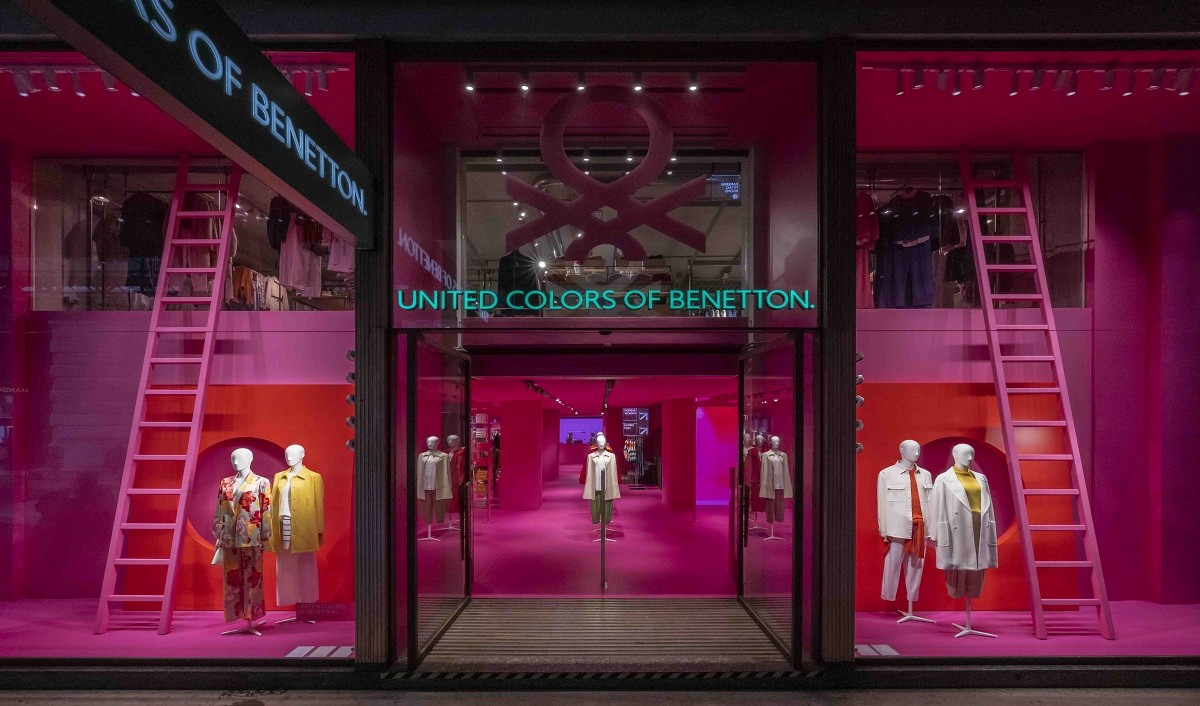 Figure 2 Photo Credit: PRNewsfoto/United Colors of Benetton
A notable example is United Colors of Benetton’s experiential store in Mumbai. Here, shoppers interact with digital screens, use AR to visualise styles, and mix-and-match colours and fits virtually before purchasing. The store transforms fashion into an act of creative play.
Co-creation design doesn’t just drive engagement; it strengthens emotional ties. By empowering customers to shape their own experience, brands nurture advocates rather than mere buyers.
Design takeaway: Integrate areas for customisation and digital play. Encourage participation through interactive walls, styling studios, or digital configurators. Make the shopper a collaborator in the brand’s story.
Tech-Powered Personalisation
Technology today is not about automation — it’s about amplification. It enables brands to listen, learn, and respond with empathy, turning data into a deeply human tool for connection.
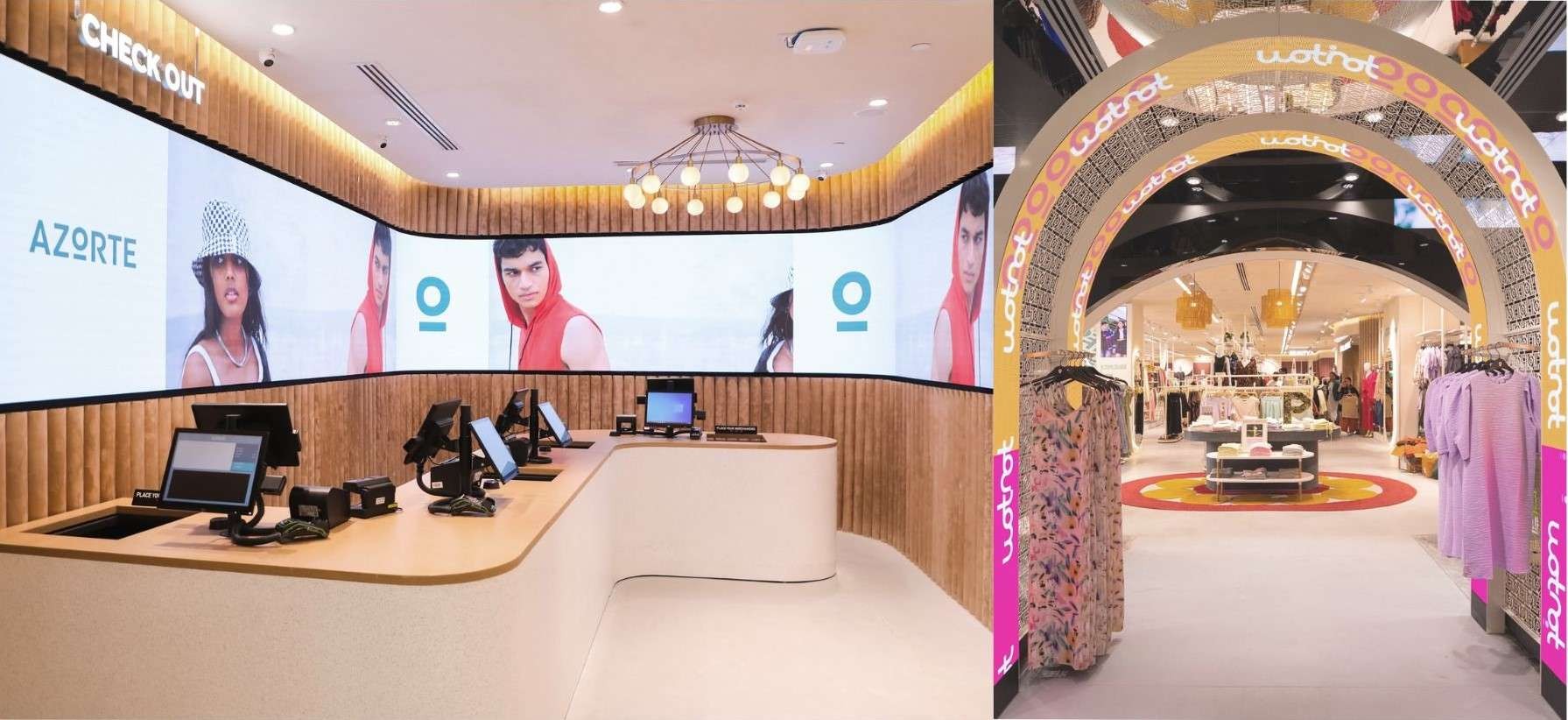 Figure 3 Photo Credit: VM&RD Retail Design Awards Gallery
A compelling example is Azorte, which won Gold in the Fashion Department Store category at the VM&RD Retail Design Awards 2025. Positioned as Reliance Retail’s premium fashion destination for Millennials and Gen Z, Azorte seamlessly blends physical and digital touchpoints to deliver a tech-powered, personalised fashion journey.
The store’s smart mirrors, endless aisles, and digital self-checkout kiosks create an ecosystem where technology anticipates shopper intent. AI-driven style recommendations help customers discover new looks based on their preferences, while RFID-enabled displays trigger content that narrates the story behind each collection.
Beyond convenience, this approach brings emotional depth to shopping — allowing visitors to feel seen, understood, and inspired. It’s technology with soul: data translating into delight.
Design takeaway: Embed digital intelligence into the physical journey. Use smart mirrors, interactive tablets, and AI-driven content to create experiences that are intuitive and emotionally resonant. Let technology personalise meaning, not just transactions.
Inspiration as the New Currency
Across these examples, one truth stands out: the future of retail is not transactional but transformational. When design evokes emotion, participation, and purpose, it moves people to connect - not just consume.
Flagships that function as cultural beacons, spaces that invite co-creation, and environments that use data to personalise meaning - these are not passing trends but signals of a deeper shift. They represent a new generation of retail that sells inspiration before it sells product.
For designers and retailers alike, the challenge now is to craft experiences that feel personal, purposeful, and human - spaces that celebrate the joy of discovery, and journeys where the purchase becomes the natural conclusion of inspiration well delivered.
At its best, retail is not about what people buy - it’s about what they believe, experience, and remember.